Brivis Gas Heating Troubleshooting Guide: Fix Common Problems Fast
 Liam Zeller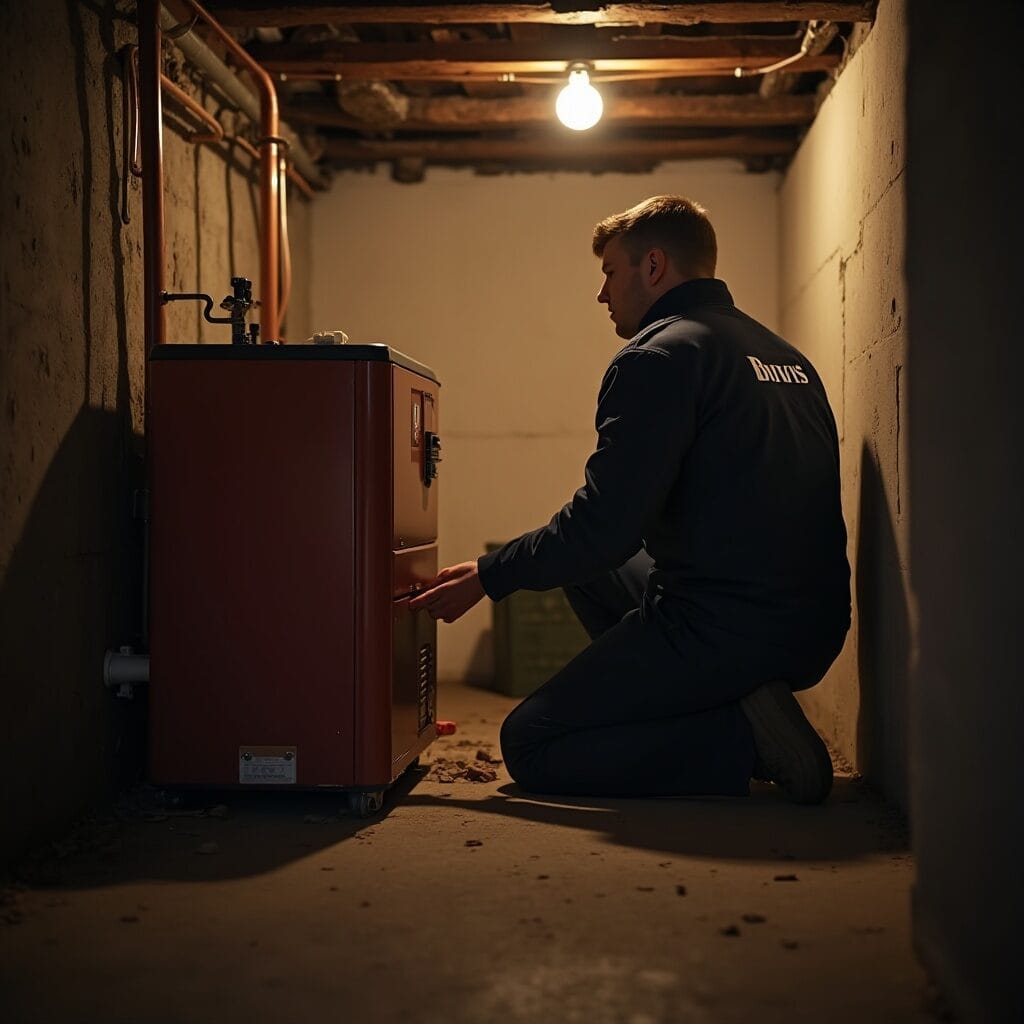
Even the most reliable heating systems can sometimes experience problems, and common issues with Brivis ducted heating systems include failure to turn on, unusual noises, or insufficient heating throughout your home. Most Brivis heating problems can be resolved through simple troubleshooting before calling a professional service technician. These issues often stem from blown fuses, tripped circuit breakers, clogged air filters, or incorrect controller settings. By following a systematic approach to identify the problem, you might save yourself time and money on unnecessary service calls.
We’ve created this comprehensive troubleshooting guide to help you diagnose and fix your Brivis gas heater issues. From checking your controller settings to understanding warning symbols like the service spanner, our guide covers the essential steps for maintaining your home’s comfort during the cold season.
Fixing Your Brivis Gas Heater
Brivis gas heating systems provide reliable warmth for Australian homes through a network of components. Knowing these system parts and their operation can help you troubleshoot common issues and maintain efficient heating.
Key Components and How They Work
A Brivis ducted heating system consists of three main components, starting with the gas heater unit, which is the core component that burns gas to generate heat. It houses the heat exchanger, burners, and electronic controls.
The ductwork system distributes the warm air throughout your home. This network of insulated pipes carries heated air from the unit to various rooms through ceiling or floor vents. Meanwhile, the wall controller is what you use to operate the system, and modern Brivis controllers allow you to set temperatures, create heating schedules, and monitor system status.
Additional components include:
- Return air grille: Draws air back to the heater for reheating
- Zone motors: Control which areas of the home receive heated air
- Filters: Trap dust and particles before air enters the heater
Types of Brivis Ducted Heating Units
Brivis offers several models to suit different home sizes and heating needs.
- The Brivis Buffalo series, including the popular Buffalo 85, is known for its reliability and efficiency. These units are available in internal and external models to suit various installation requirements.
- StarPro models feature higher energy ratings with up to 6-star efficiency. These units use less gas while delivering excellent heating performance, making them cost-effective for long-term operation.
- Compact models are designed for homes with limited installation space. Despite their smaller size, they provide effective heating for smaller to medium-sized homes.
Brivis also offers add-on cooling options that work with your existing ducted heating system. This allows your ductwork to serve both heating and cooling functions throughout the year.
Safety Features and Precautions
Brivis heating systems incorporate multiple safety features to protect your home. For example, the flame safeguard system immediately shuts off the gas if the flame is extinguished unexpectedly, preventing gas buildup and potential hazards.
Overheat protection monitors internal temperatures and will shut down the system if it detects excessive heat. This prevents damage to components and reduces fire risk. Modern Brivis units also include electronic ignition systems that are safer than older pilot light systems. They only activate the ignition when heating is required.
For added safety:
- Change filters regularly to maintain airflow and prevent the system from overheating
- Keep the area around external units clear of debris and vegetation to ensure proper ventilation
- Never store flammable materials near your heating unit
- Ensure carbon monoxide detectors are installed in your home to prevent further dangers
- Schedule professional maintenance annually to keep safety systems functioning properly.
Common Brivis Gas Heater Issues and Diagnostics
Brivis gas heaters can develop several common problems that prevent them from operating correctly. Most issues fall into specific categories that you can diagnose with basic troubleshooting steps before calling a professional.
Power Supply and Wall Control Problems
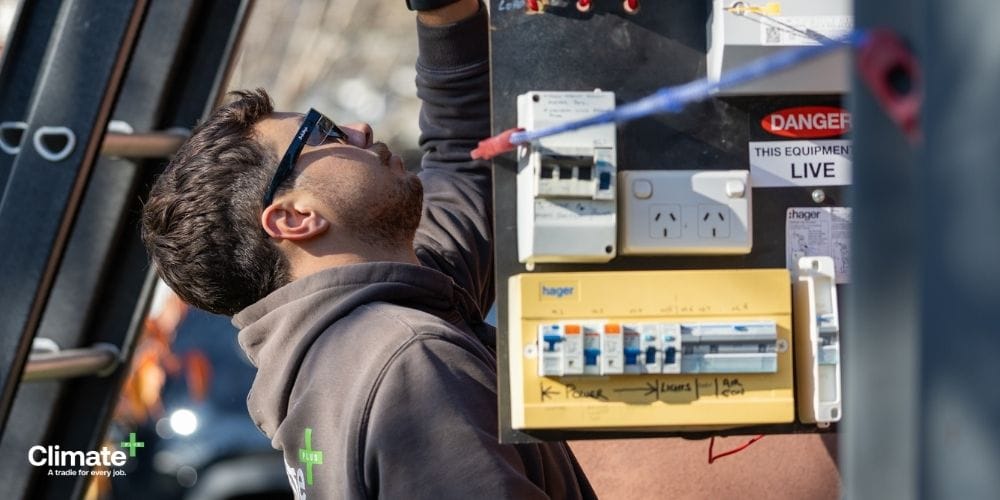
If your Brivis heater won’t turn on, check the power supply first, as a blown fuse or tripped circuit breaker is often the culprit. Locate your switchboard and reset any tripped breakers related to your heating system. Battery issues in remote controllers can cause intermittent operation, so replace the batteries if the display is dim or flickering. Try to use high-quality alkaline batteries for longer life.
Additionally, wall controllers sometimes lose communication with the main unit. Try resetting the controller by turning it off completely for 30 seconds, then turning it back on. If your wall control shows no display at all, check that it’s properly connected to the main unit. Loose connections can develop over time due to house vibrations.
Pilot Light and Ignition Failures
A faulty pilot light is a common issue with older Brivis models. If you can’t see a blue flame in the inspection window, the pilot may have gone out. Modern Brivis systems use electronic ignition but can still have ignition problems. Check if the ignition system is clicking when you turn on the heater. No clicking sound suggests an electrical problem with the igniter.
Clicking without ignition may indicate:
- Dirty ignition components
- Damaged igniter electrode
- Gas supply problems
Soot or carbon buildup around the pilot light or ignition assembly needs professional cleaning. This buildup often results from incomplete combustion and can block proper ignition.
Gas Supply and Valve Malfunctions
Gas supply interruptions will prevent your Brivis heater from working properly. Check if other gas appliances in your home are functioning normally. If not, contact your gas provider to confirm service. The gas control valve might be stuck or faulty. These valves regulate gas flow to the burner and can wear out over time.
Signs of a problematic gas valve include:
- The heater cycles on and off too frequently
- Uneven heating throughout the home
- Strange odours during operation
- Rumbling or unusual noises
Low gas pressure can also cause poor performance, and this is particularly common during peak usage periods in winter when demand is high.
Error Messages and Display Codes
Modern Brivis systems display error codes to help with diagnostics. Sometimes, this alert may appear as a spanner symbol. The “LO” code typically indicates the heater has locked out due to multiple overheat occurrences. This usually happens because of insufficient airflow. Examine the air filters if you see this error because clogged filters restrict airflow and cause overheating.
Other common error codes include:
| Error Code | Meaning | Possible Solution |
| E1 | Ignition failure | Check the gas supply |
| E2 | Airflow problems | Check filters and ducts |
| E3 | Overheat protection | Check for blockages |
| E4 | Flame sensor fault | Professional service needed |
Random stuttering or inexplicable malfunctions may indicate electrical interference or control board issues. These typically require professional diagnosis.
Step-By-Step Troubleshooting Methods
Following a systematic approach helps identify and resolve problems quickly. These troubleshooting methods focus on the most common issues that affect ducted heating performance.
Checking and Replacing Dirty Air Filters
Dirty air filters are one of the most common causes of Brivis ducted heating problems.
To check your air filter:
- Turn off your Brivis heater completely
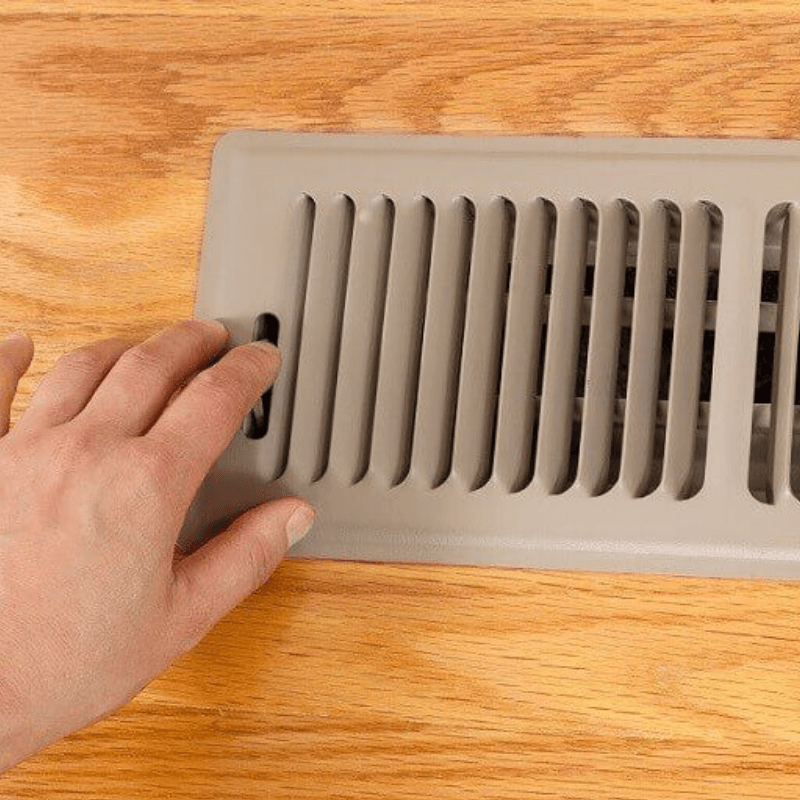
- Locate the return air grille (usually a large vent on a wall or ceiling)
- Open the grille by releasing the clips or removing the screws
- Remove the filter and hold it up to light
If you can’t see light through it, the filter needs cleaning or replacement. For washable filters, rinse gently with water and allow to dry completely before reinstalling. For disposable filters, replace with the same size and type. Clean or replace filters every 3-6 months, depending on usage.
Inspecting Burners and Flame Sensors
Dirty burners and flame sensors can cause your Brivis heater to cycle on and off or fail to ignite properly. These components require careful inspection and cleaning, and healthy flames should be steady and blue. Yellow or flickering flames indicate problems that may require professional attention.
To inspect the burner assembly:
- Turn off the power and gas to your heater
- Remove the access panel (refer to your owner’s manual)
- Check burners for dust, rust, or debris
- Inspect the flame sensor (a small metal rod near the burner)
Clean burners with a soft brush and vacuum to remove loose debris. The flame sensor can be carefully cleaned with fine steel wool or an emery cloth. Gently rub the metal rod until shiny, being careful not to bend or damage it.
Testing Thermocouples and Pressure Switches
Faulty thermocouples and pressure switches are often responsible for heating failures in Brivis ducted systems. These safety devices shut down the unit when unsafe conditions are detected.
For thermocouple testing:
- Check if the pilot light stays lit
- If it goes out when you release the gas control knob, the thermocouple may be faulty
- Look for damage or corrosion on the thermocouple tip
Pressure switches ensure proper airflow before allowing gas ignition. Issues might include:
- Blocked flue vents
- Failed switch mechanisms
- Disconnected or damaged hoses
Testing these components often requires a multimeter to check electrical continuity, so if you’re uncomfortable working with gas appliances or electrical testing, we strongly recommend calling a licensed technician to service these components safely.
Additional Support and Delivery Considerations
While troubleshooting can resolve many Brivis heating issues, sometimes you’ll need professional help or replacement parts. Getting the right support will help get your system back to working order quickly.
Safety should always be your priority, and you should never attempt to disassemble gas components or modify electrical connections yourself, as this can be dangerous and will void your warranty. Contact a licensed gas fitter immediately if you smell gas, hear unusual noises, or notice error codes that persist after basic troubleshooting.
Professional technicians have specialised tools to diagnose complex issues, and can perform a complete system check, including carbon monoxide testing and pressure measurements that aren’t possible with DIY methods. Aim to schedule annual maintenance with a qualified technician before winter begins. This preventative approach helps catch problems early and ensures your system runs efficiently during cold months.
Get in touch to arrange an inspection of your gas heating system.